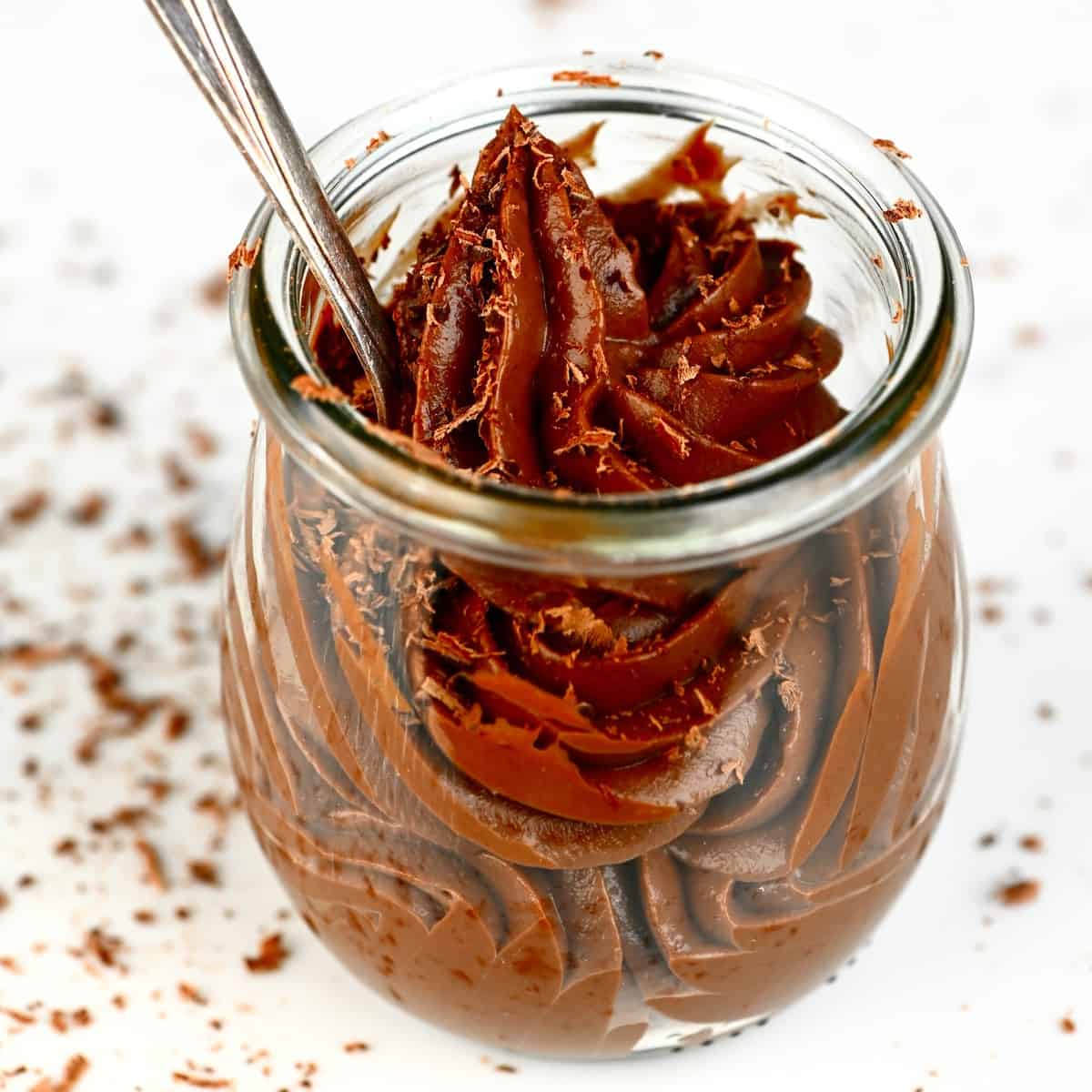
Mastering the Art of Simple Chocolate Pastry Cream (Creme Patissiere)
For anyone who loves baking, the idea of creating a luscious, velvety chocolate filling often conjures images of complex patisserie techniques. Yet, there’s a surprisingly straightforward secret to achieving this culinary dream: the
chocolate pastry cream, also known by its elegant French name,
creme patissiere. Far from being an intimidating, chef-only endeavor, perfecting this rich, creamy custard is a fundamental skill that unlocks a world of decadent desserts, from classic eclairs to sophisticated mille-feuille. If you’ve ever admired the flawless fillings on your favorite baking shows, rest assured, you're just a few steps away from mastering this staple yourself.
Historically, many home bakers have been convinced that anything with "crème pâtissière" in its title must be inherently complicated. We've certainly been there! But what if we told you that this thick, pipeable, and intensely chocolatey filling is essentially a robust form of custard, made with just a handful of basic ingredients and a process that's more about technique than difficulty? Once you understand the fundamentals, you’ll discover that making your own
rich chocolate pastry cream is not only achievable but also incredibly rewarding.
What Makes Chocolate Pastry Cream (Creme Patissiere) a Dessert Powerhouse?
At its heart,
chocolate pastry cream is a luxurious, thick custard, characterized by its smooth texture and deep chocolate flavor. Unlike lighter custards like crème anglaise,
creme patissiere is designed to be firm enough to hold its shape, making it ideal for piping and structural fillings. It achieves this stability through the careful balance of egg yolks, sugar, and a starch thickener, traditionally cornstarch, all infused with the unmistakable richness of dark chocolate and cocoa powder.
This versatility is precisely why it’s a cornerstone of French baking and a global dessert favorite. Imagine biting into a delicate cream puff bursting with this luscious filling, or slicing through a perfectly layered tart where the chocolate cream provides a luxurious counterpoint to crisp pastry. It's not just a filling; it's an experience. Its ability to elevate simple baked goods into extraordinary treats makes it a truly indispensable recipe for any passionate baker.
The Essential Ingredients for Perfect Chocolate Pastry Cream
Crafting an exceptional
chocolate pastry cream creme patissiere starts with selecting the right components. While the list is short, the quality and choice of each ingredient play a significant role in the final flavor and texture.
- Milk: For the most luxurious mouthfeel, full-fat dairy milk is highly recommended. Its higher fat content contributes to the creaminess and richness. For an ultra-decadent experience, you can even substitute a portion of the milk with heavy cream. While dairy-free alternatives can be used, be aware that they might slightly alter the final texture and richness.
- Vanilla: Vanilla extract or paste adds a wonderful aromatic depth that complements and enhances the chocolate. While you won't see the signature flecks of a fresh vanilla bean in a chocolate cream, the flavor contribution is undeniable. If you have access to a vanilla bean, infusing the milk with it before removing it is the gold standard for unparalleled aroma.
- Sugar: Granulated sugar provides sweetness and contributes to the cream's smooth texture. It's crucial for balancing the bitterness of the chocolate. While you can attempt to reduce the sugar slightly or incorporate granulated sweeteners, it's best to stick close to the recommended amount for optimal flavor and structure, especially on your first try.
- Cornstarch: This is your primary thickening and stabilizing agent. Cornstarch ensures that your creme patissiere achieves that signature thick, pipeable consistency without imparting a floury taste. It also helps to stabilize the egg yolks, preventing them from curdling when exposed to heat. While other starches like tapioca starch or even all-purpose flour can work, many professional bakers find cornstarch provides the smoothest, most reliable results.
- Cocoa/Cacao Powder: Incorporated early in the process, cocoa or cacao powder provides an initial layer of deep chocolate flavor and color, setting the stage for the intense chocolate experience to come. Using good quality unsweetened cocoa powder is key here.
- Dark Chocolate: The star of the show! High-quality bittersweet or dark chocolate (ideally 50-70% cocoa solids) is absolutely crucial for a rich, complex chocolate flavor. Think of it as the soul of your rich chocolate pastry cream. Cheap chocolate will result in a flat, one-dimensional flavor profile. Chop it finely for quick and even melting.
- Egg Yolks: These contribute significantly to the cream's richness, color, and thickening power. They are emulsifiers, helping to create that silky-smooth texture. Save your egg whites for meringues or other recipes!
- Salt: A tiny pinch of salt (not explicitly in all reference lists, but a baker's secret weapon) enhances all the other flavors, particularly the chocolate, making it pop.
Mastering the Method: Step-by-Step to Silky Smooth Creme Patissiere
The process for making
chocolate pastry cream creme patissiere is surprisingly straightforward, involving a few key stages. Patience and constant whisking are your best friends here!
- Prepare the Yolk Mixture: In a large, heat-proof bowl, combine the egg yolks, sugar, cornstarch, cocoa/cacao powder, and a pinch of salt. Whisk vigorously until the mixture is pale yellow, thick, and smooth. This aeration is important and ensures a homogenous mixture, preventing lumps later.
- Scald the Milk: In a medium saucepan (preferably heavy-bottomed to prevent scorching), combine the milk and vanilla extract or paste. Heat over medium-low heat, stirring occasionally, until the milk just begins to simmer around the edges – don't let it boil vigorously. Remove immediately from the heat.
- Temper the Yolks: This is arguably the most crucial step. Slowly and gradually, pour about a third of the hot milk into the egg yolk mixture, whisking constantly and vigorously. This slowly raises the temperature of the egg yolks without scrambling them. Once incorporated, slowly add the remaining hot milk to the tempered egg mixture, continuing to whisk non-stop until fully combined.
- Cook the Cream: Pour the entire mixture back into the saucepan. Return it to medium-low heat. Cook, whisking *constantly* (and reaching into all corners of the pan), for 5-8 minutes, or until the cream thickens considerably. It should become very thick, coating the back of a spoon, and you should see large, slow bubbles breaking the surface. Don't stop whisking, and ensure the bottom doesn't scorch! Cooking it sufficiently ensures the starch fully activates and removes any raw starch flavor.
- Melt in the Chocolate: Once the cream has thickened, remove the pan from the heat. Add the finely chopped dark chocolate and stir continuously until the chocolate is completely melted and the cream is smooth and uniformly chocolatey.
- Strain for Perfection (Optional but Recommended): For an absolutely flawless, silky-smooth texture, press the warm chocolate pastry cream through a fine-mesh sieve into a clean bowl. This removes any tiny lumps or cooked egg bits that might have formed.
- Chill Thoroughly: Cover the surface of the creme patissiere directly with plastic wrap (this prevents a "skin" from forming). Chill in the refrigerator for at least 3-4 hours, or ideally overnight, until it is completely cold and firm.
- Whip Before Using: Before piping or spreading, give the chilled chocolate pastry cream a good whisk with a spatula or an electric mixer on low speed. This will smooth out its firm, jelly-like consistency, making it light, fluffy, and perfectly pipeable.
Tips for Success & Troubleshooting Your Chocolate Pastry Cream
Even with a simple process, a few insider tips can make all the difference, and knowing how to troubleshoot common issues will save your dessert dreams!
*
Preventing Lumps: The key to lump-free
chocolate pastry cream is constant whisking during tempering and cooking, combined with making sure your starch and sugar are fully incorporated into the yolks at the start. Straining is your ultimate backup.
*
Avoid Scorching: Always use a medium-low heat and a heavy-bottomed saucepan. Never walk away from the pot, especially during the cooking phase. Constant stirring keeps the bottom from burning.
*
What if it's too thin? If your
creme patissiere doesn't thicken adequately, it likely wasn't cooked long enough, or your heat was too low. Return it to the stove over medium-low heat and continue whisking vigorously until it thickens sufficiently. If it's already chilled and still too thin, you can try whisking in a small cornstarch slurry (1 tbsp cornstarch mixed with 2 tbsp cold milk) and gently reheating while whisking until thickened, then chilling again.
*
What if it's too thick? If your cream sets too firmly after chilling, don't despair. When you go to whip it before using, you can often loosen it with a splash (1-2 tablespoons) of cold milk or cream until it reaches your desired consistency.
*
The Importance of Chilling: Don't skip or rush this step. Chilling allows the starch to fully set and the flavors to meld, resulting in a firm, yet smooth, final product.
*
Good Quality Chocolate Matters: We can't stress this enough. The better the chocolate, the better your
chocolate pastry cream will taste.
Unleash Your Creativity: Ways to Use Your Creme Patissiere
Once you’ve successfully created your batch of
rich chocolate pastry cream, the possibilities are virtually endless. This versatile filling is perfect for:
- Eclairs and Cream Puffs: The classic application! Pipe generously into hollow choux pastry shells.
- Tarts: A decadent base for fruit tarts or as a standalone chocolate tart filling, perhaps topped with fresh berries or chocolate shavings.
- Mille-Feuille (Napoleon): Layers of crisp puff pastry separated by this creamy chocolate delight.
- Layer Cakes: Use it as a rich filling between cake layers, perhaps paired with a lighter buttercream.
- Donuts & Brioche: Inject into homemade donuts or fill slices of sweet brioche for an extra special breakfast or dessert.
- Trifles: Layer with cake pieces, fruit, and whipped cream for a stunning dessert.
- By Itself: Honestly, a bowl of this perfectly chilled chocolate pastry cream with a few fresh raspberries is a dessert in itself!
If you're still feeling a little apprehensive, our guide
Demystifying Chocolate Pastry Cream: Easier Than You Think will help calm those nerves. Once you've mastered this, you'll see why it's considered a
rich chocolate creme patissiere: perfect for all your desserts.
Conclusion
Making
simple chocolate pastry cream (creme patissiere) is a skill that elevates home baking to new heights. It's a testament to the fact that some of the most impressive desserts are built upon surprisingly foundational and achievable techniques. By understanding the role of each ingredient and following a clear, step-by-step process, you can confidently create a smooth, rich, and intensely chocolatey cream that will impress everyone. So, gather your ingredients, take a deep breath, and embark on your journey to mastering this incredible French baking staple. Your taste buds (and your family and friends) will thank you!