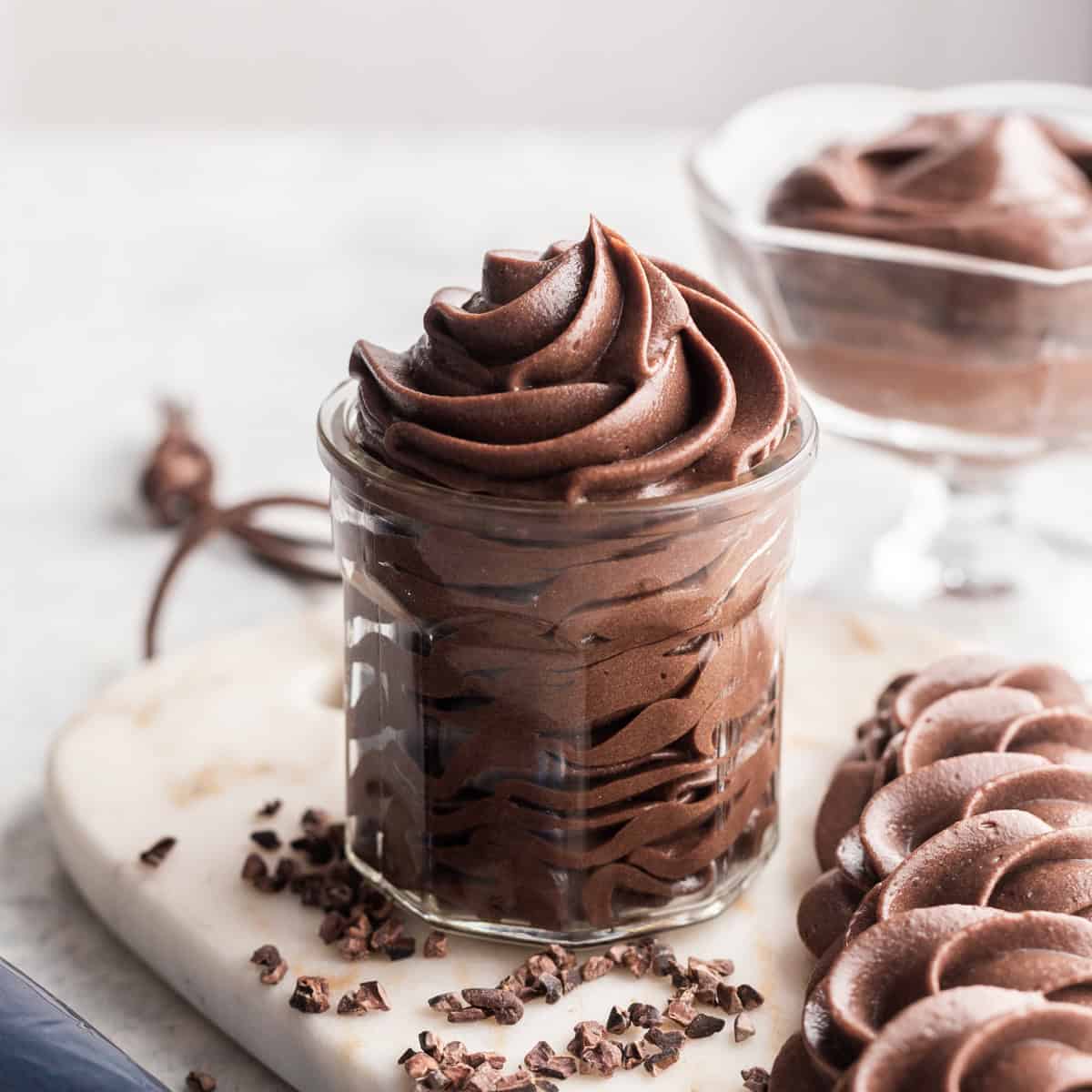
Demystifying Chocolate Pastry Cream: Easier Than You Think
For many aspiring bakers, the term "crème pâtissière" conjures images of complex French patisserie, requiring years of culinary training to perfect. Add "chocolate" to the mix, and the intimidation factor seems to double. Yet, what if we told you that creating a luscious, rich, and perfectly pipeable chocolate pastry cream is not only achievable for the home baker but surprisingly straightforward? Just like those baking shows might hint, mastering a good pastry cream is a fundamental skill, and it’s far less complicated than its elegant French name suggests.
This creamy, dreamy chocolate custard, often known as chocolate crème pâtissière, is a foundational element in countless desserts, from delicate éclairs and airy cream puffs to sophisticated tarts and layered cakes. It offers a deep, satisfying chocolate flavor with a smooth, thick consistency that holds its shape beautifully. If you’ve shied away from recipes calling for this classic filling, prepare to face your fears and unlock a world of delicious possibilities. It’s time to discover that this seemingly fancy confection is, at its heart, a simple custard.
What Exactly is Chocolate Pastry Cream (Crème Pâtissière)?
At its core, chocolate pastry cream is a thickened, egg-yolk-enriched custard. The French term crème pâtissière simply translates to "pastry cream," highlighting its primary use as a filling for pastries. What sets it apart from other custards, like crème Anglaise (a thinner, pouring custard), is its robust structure, achieved through the careful balance of egg yolks, starch (typically cornstarch), and heat. This combination results in a thick, stable cream that can be piped, spread, and holds its form even after chilling.
Our chocolate variation elevates this classic with the irresistible depth of cocoa powder and high-quality dark chocolate. The marriage of these ingredients creates a profound chocolate experience that is both intensely flavored and luxuriously smooth. It’s a staple for a reason – incredibly versatile and utterly delicious. To dive deeper into the basics, you might find our guide on Master Simple Chocolate Pastry Cream (Creme Patissiere) a valuable resource.
The Essential Ingredients for Your Best Batch
Crafting exceptional chocolate pastry cream begins with understanding the role of each ingredient. While the process is simple, quality ingredients make a noticeable difference in the final product.
- Milk: Full-fat dairy milk is highly recommended for the richest, creamiest texture. The higher fat content contributes significantly to the mouthfeel. While dairy-free options can be used, results may vary slightly in richness. For an extra decadent touch, consider using a combination of milk and heavy cream.
- Vanilla: Vanilla extract or paste adds a lovely aromatic undertone. For the purest flavor, fresh vanilla beans are unparalleled, offering those beautiful flecks and intense aroma, though they aren't strictly necessary for a delicious chocolate version.
- Sugar: Granulated sugar not only sweetens but also helps tenderize the egg proteins and contributes to the cream's smooth texture. While you can experiment with slightly reducing the sugar or using a granulated sweetener for a portion, it's best to stick to the recommended amount initially for optimal consistency.
- Starch (Cornstarch): This is the secret weapon for thickening and stabilizing the cream. Cornstarch is prized for providing a clear, glossy finish and a smooth texture. Other starches like tapioca starch or even all-purpose flour can work, but cornstarch consistently delivers the best results for a pipeable chocolate crème pâtissière. Pro Tip: Sift your cornstarch (and cocoa powder) before whisking with the yolks to prevent any lumps!
- Cocoa Powder/Cacao Powder: This provides an initial layer of deep chocolate flavor. Cacao powder is often less processed and can offer a more intense, sometimes slightly bitter, chocolate note, while cocoa powder (Dutch-processed or natural) works just as well for a robust chocolate profile.
- Dark Chocolate (Bittersweet): This is where the magic truly happens. Using good-quality dark or bittersweet chocolate (around 60-70% cacao) is paramount for a rich, nuanced flavor. Cheap chocolate can result in a less satisfying, sometimes waxy, finish. Chop your chocolate finely so it melts quickly and smoothly into the hot cream.
- Egg Yolks: The heart of any custard! Egg yolks provide richness, color, and act as a powerful emulsifier, contributing to the cream's luxurious texture and helping it thicken. Make sure your eggs are at room temperature for easier separation and better incorporation.
- Salt: Just a pinch of salt is crucial. It doesn't make the cream salty; instead, it enhances all the other flavors, making the chocolate taste even more profound.
The Step-by-Step Path to Perfect Chocolate Crème Pâtissière
Forget the intimidating French title; the process for making chocolate pastry cream is surprisingly logical and straightforward. Follow these steps, and you’ll be a pastry pro in no time.
- Prep Your Ingredients: Separate your egg yolks from the whites. Have your sugar, cornstarch, salt, cocoa powder, and finely chopped dark chocolate measured and ready. This mise en place prevents panic later!
- Whisk the Yolks Mixture: In a large bowl, whisk together the egg yolks, sugar, cornstarch, salt, and cocoa powder until the mixture is pale yellow, thick, and smooth. This thorough whisking is essential to prevent lumps and ensure even cooking.
- Heat the Milk: Pour the milk and vanilla extract into a medium saucepan. Bring it to a gentle boil over medium-low heat. Once it reaches a boil (you’ll see small bubbles around the edges), remove it from the heat immediately. This step scalds the milk, which helps infuse the vanilla and prepare it for tempering.
- Temper the Eggs: This is arguably the most crucial step. While continuously whisking the egg yolk mixture, slowly and steadily pour about one-third of the hot milk into the bowl. This gradual addition raises the temperature of the egg mixture without scrambling the eggs. Keep whisking vigorously! Once combined, pour the tempered egg mixture back into the saucepan with the remaining hot milk.
- Thicken on the Stove: Return the saucepan to low-medium heat. Whisk constantly, ensuring you scrape the bottom and sides of the pan. The mixture will gradually thicken. It's ready when it coats the back of a spoon and holds a distinct trail when you drag your finger across it, or when it comes to a boil and visibly thickens. Cook for another minute after it thickens to ensure the starch is fully cooked out, preventing a starchy taste.
- Incorporate Chocolate and Cool: Remove the pan from the heat. Immediately add the finely chopped dark chocolate and stir until it’s completely melted and smooth. For an extra silky consistency, you can strain the finished pastry cream through a fine-mesh sieve into a clean bowl.
- Chill for Perfection: Cover the surface of the chocolate pastry cream directly with plastic wrap to prevent a skin from forming. Place it in the refrigerator for at least 3-4 hours, or ideally overnight, to chill completely. This allows it to fully set and for the flavors to meld.
Troubleshooting and Tips for Flawless Crème Pâtissière
Even with simple steps, baking can present challenges. Here are some common issues and how to resolve them:
- Lumps in Your Cream? This usually happens if the cornstarch wasn't fully incorporated, if the eggs weren't tempered correctly, or if the cream wasn't stirred constantly on the stove. If you find lumps, simply pass the warm cream through a fine-mesh sieve.
- Too Thin? The cream likely wasn't cooked long enough or didn't reach a full boil after thickening. Return it to the heat and continue whisking until it thickens properly.
- Too Thick? This might mean it was cooked for too long or there was too much starch. You can try whisking in a tablespoon or two of milk or cream to loosen it slightly, especially after chilling.
- Scrambled Eggs? A sure sign of improper tempering. Always whisk constantly while slowly adding hot milk to the egg mixture.
- Bringing it Back to Life After Chilling: Once thoroughly chilled, chocolate pastry cream will be very firm. Before using, give it a vigorous whisk (you can even use an electric mixer on low speed) until it’s smooth and silky again. This re-emulsifies the cream and makes it wonderfully pipeable.
For more detailed insights on perfecting this versatile filling and exploring its many applications, be sure to check out our article Rich Chocolate Creme Patissiere: Perfect for All Your Desserts.
Conclusion: Your Chocolate Pastry Cream Journey Starts Now
The journey to mastering chocolate pastry cream (crème pâtissière) is much shorter and more rewarding than you might have imagined. By understanding the simple science behind the ingredients and following a logical, step-by-step process, you can confidently create a rich, smooth, and deeply flavorful chocolate custard perfect for elevating any dessert. So, cast aside any lingering apprehension, grab your whisk, and prepare to impress yourself and your loved ones with this truly essential and incredibly delicious baking staple. Happy baking!
